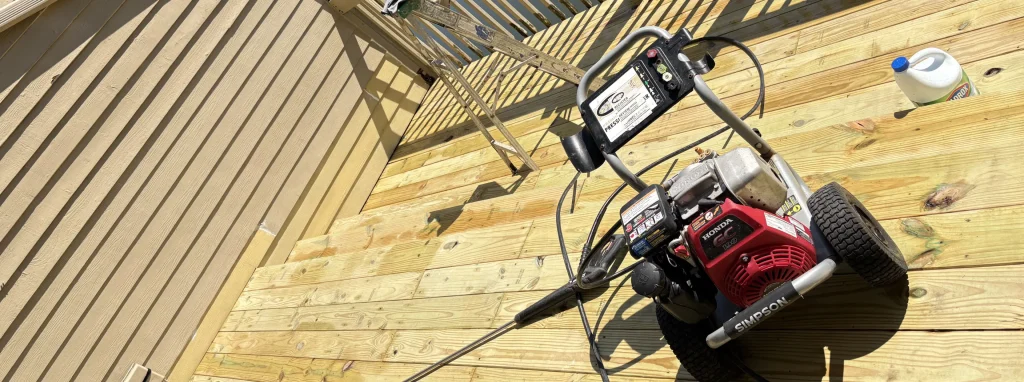
Skipping Proper Surface Preparation
The most critical error homeowners make is rushing through surface preparation. In Jacksonville’s humid climate, where salt air and frequent afternoon thunderstorms challenge exterior finishes, inadequate prep work leads to premature paint failure.
Paint applied over dirty, flaking, or mildewed surfaces cannot properly bond. Within months, you will notice bubbling, peeling, and uneven texture that diminishes your home’s appearance. Moisture trapped beneath improperly prepared surfaces accelerates deterioration, forcing expensive repairs far sooner than necessary.
Professional preparation includes pressure washing to remove dirt and mildew, scraping loose material, sanding rough areas, and priming bare wood or metal. This foundational work ensures paint adheres correctly and withstands Florida’s demanding weather conditions. Investing time in preparation protects your investment and maintains lasting beauty.
Choosing the Wrong Paint Quality or Type
Selecting bargain paint or the incorrect formulation for your surface creates lasting regret. Lower quality products contain fewer pigments and binders, resulting in thin coverage that fades quickly and requires frequent recoating.
Exterior surfaces demand paint specifically engineered to resist ultraviolet rays, moisture penetration, and temperature fluctuations. Using interior formulations outdoors, or selecting flat finishes where satin or semi-gloss would better resist mildew, shortens the lifespan of your project dramatically.
Premium exterior paints deliver superior coverage, fade resistance, and durability. They contain mildewcides particularly valuable in Jacksonville’s coastal humidity. While initial costs run higher, quality products extend the years between repaints, reduce maintenance, and preserve the vibrant appearance that enhances property value.
Ignoring Weather Conditions During Application
Many homeowners underestimate how temperature, humidity, and precipitation affect paint application. Applying coatings during unsuitable conditions causes adhesion problems, extended drying times, and surface defects that compromise appearance and performance.
Paint applied in temperatures below 50 degrees Fahrenheit or above 90 degrees fails to cure properly. High humidity prevents proper drying, creating conditions favorable for mildew growth and causing paint to run or sag. Rain within 24 hours of application can wash away uncured coatings entirely.
Successful projects require monitoring weather forecasts and choosing application windows with moderate temperatures, low humidity, and no precipitation predicted for at least 24 hours. Jacksonville’s mild winters and frequent summer afternoon storms make timing especially important. Patience with weather conditions protects your investment and ensures beautiful, long-lasting results.
Applying Insufficient or Excessive Coats
Achieving proper coverage requires the correct number of coats, yet homeowners frequently apply too few or too many layers. Single-coat applications rarely provide adequate coverage, allowing the original color to show through and offering minimal protection against weathering.
Conversely, applying excessive coats or thick layers causes problems including sagging, cracking, and prolonged drying times. Heavy application traps solvents that cannot evaporate properly, weakening the finish and creating an uneven appearance.
Most quality exterior projects require one primer coat and two finish coats for optimal results. Each layer should dry completely before applying the next, following manufacturer recommendations. This approach builds proper film thickness, ensures uniform color, and creates the durable barrier your home needs against Jacksonville’s sun, salt, and storms. Blue Coast Painting Contractors, LLC follows proven application methods that deliver consistent, professional results that enhance your home’s appearance and protect your investment for years.
Selecting Colors Without Considering Context
Color choices significantly impact your home’s curb appeal, yet many homeowners select shades without evaluating how they interact with existing elements. Ignoring your roof color, landscaping, neighboring homes, and architectural style creates jarring combinations that diminish rather than enhance attractiveness.
Trendy colors may clash with permanent features or fade poorly in Florida’s intense sunlight. Bold statements that seem exciting in small samples can overwhelm when applied to entire facades. Colors that conflict with the surrounding neighborhood may alienate potential buyers if you eventually sell.
Test samples on multiple sides of your home to observe how light affects appearance throughout the day. Consider how colors complement fixed elements like brick, stone, and roofing. Choose timeless palettes that enhance architectural details while fitting harmoniously within your community. Professional color consultation helps avoid costly mistakes and ensures your home makes the beautiful first impression that maximizes value.